Dubai’s off-plan market is one of the most talked-about opportunities — and also one of the most misunderstood.
For some investors, it represents flexibility, growth, and strong returns.
For others, it feels uncertain.
The difference isn’t the market — it’s the understanding.
1. What “Off-Plan” Actually Means
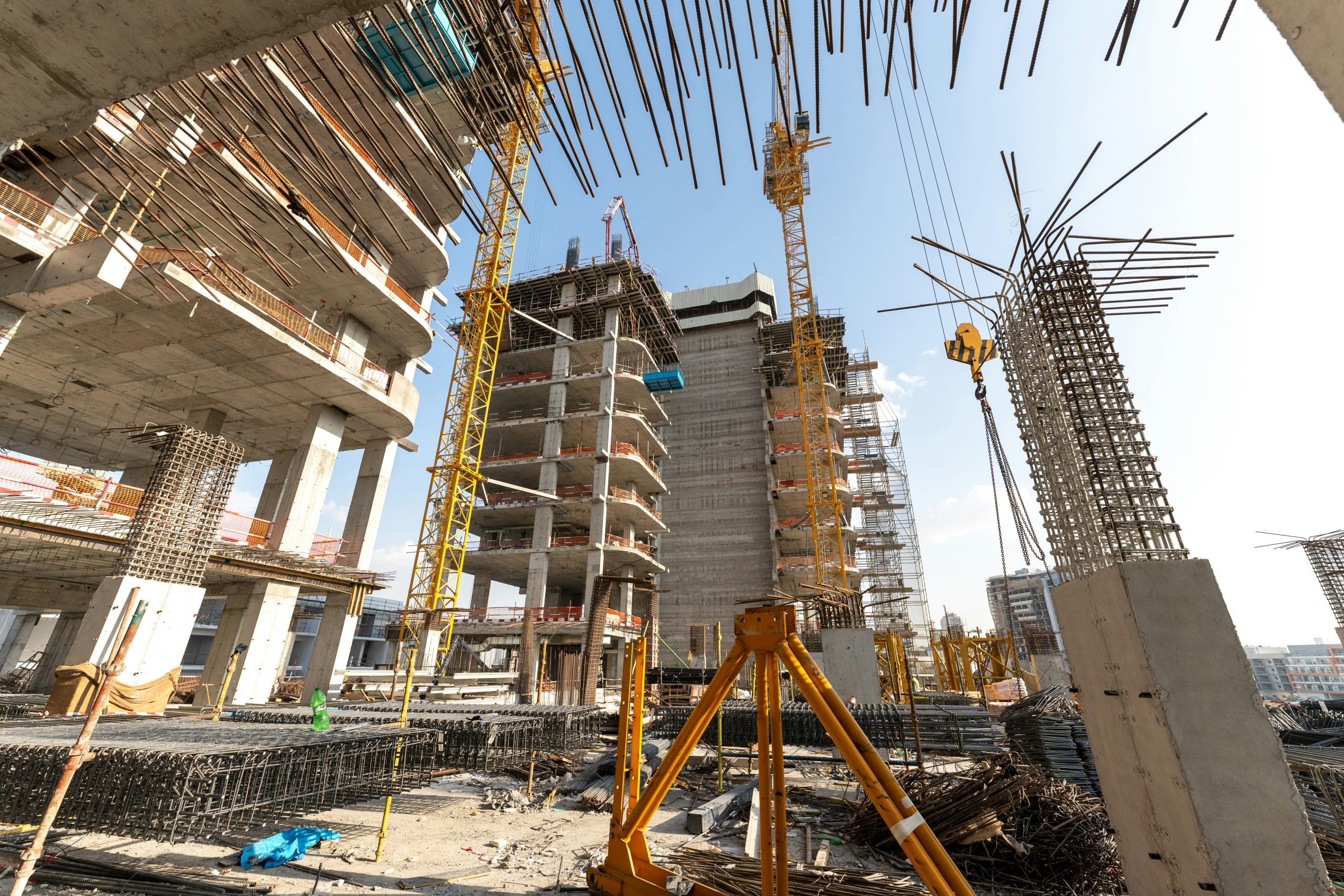
Off-plan simply means buying a property before it is completed — often directly from the developer.
Instead of paying the full amount upfront or taking a mortgage immediately, you typically follow a structured payment plan over time.
👉 In simple terms:
You’re investing in the future value of a property, not just its current state.
2. How Payment Plans Work
One of the biggest advantages of off-plan is flexibility.
Most projects offer:
- Low initial down payment (often 10–20%)
- Staged payments during construction
- In some cases, post-handover payment plans
This allows investors to:
- Enter the market with less upfront capital
- Spread financial commitment over time
- Maintain liquidity for other opportunities
3. Escrow Protection (Why Risk Is Lower Today)
A major concern investors often have is:
👉 “What happens to my money if the project isn’t completed?”
Dubai addresses this through RERA-regulated escrow accounts.
- Payments go into a government-monitored escrow account
- Developers can only access funds based on construction progress
- This significantly reduces misuse of funds
👉 Compared to earlier cycles, the system today is far more structured and secure.
4. Where the Real Value Comes From
The real advantage of off-plan is not just flexibility — it’s timing.
Investors often benefit from:
- Lower entry prices compared to completed properties
- Price appreciation during construction
- Increased demand closer to handover
However, this only works when:
- The project is well-positioned
- The developer is reliable
- The location has real growth potential
👉 Not every off-plan project delivers value — selection matters more than timing alone.
5. What Most Investors Overlook
This is where many mistakes happen.
Common issues:
- Choosing projects based on marketing, not fundamentals
- Ignoring supply in the area
- Overestimating short-term returns
- Not understanding exit strategy
👉 Off-plan is not “easy profit” — it’s a strategic investment decision.
6. Why It Works Well for International Buyers
Dubai’s off-plan structure is especially attractive for global investors because:
- No immediate need for mortgage approval
- Structured payments make remote investing easier
- Strong legal framework builds confidence
- High rental demand supports long-term returns
👉 This is why many investors enter the Dubai market through off-plan first.
7. When Off-Plan Makes Sense
Off-plan is a strong option if:
- You’re investing with a mid-to-long-term horizon
- You want flexible payment structures
- You’re comfortable waiting for completion
- You’re entering a well-researched project
8. When You Should Be Careful
It may not be the right choice if:
- You need immediate rental income
- You’re relying on short-term price spikes
- You’re unsure about the developer or location
- You’re investing based on pressure or urgency
👉 The opportunity is real — but so is the need for discipline.
Final Perspective
Off-plan in Dubai is not just about buying early —
it’s about buying intelligently.
The structure is designed to create opportunity,
but the outcome depends on the decisions you make.
The right project, at the right time, with the right strategy — that’s where value is created.
My role is not to push you into a project —
it’s to help you understand whether it’s the right one for you.
Because in off-plan investing,
what you choose matters far more than when you enter.